

Other animals like cows, chickens, and elephants are highly valuable to our ecosystem engineering, but not like bees, they play the foundational role, bees are vital for maintaining our biodiversity and food security. This makes them indispensable. Because we are dependent on them, not to do just one thing solely, but carried out many functions. And the best designers I know, are like this.
Be like a Bee.
Why the best designers are like a bee, they master simplification, stakeholder management, and inherent product intuition to become indispensable. Not because they’re extraordinary with wielding their skills, but maintaining the interconnected part.
A friend of mine, his name is Seun showcase this skillset many times, he leaves me bewildered. He is like the heart of his team, utilizing many design skills and stakeholders management. He will oversee illustration, motion to visual design even when they’re not his role, setup tools that will make other designers on the team very functional. He is one of the most utilitarian designer I know.
In any product squad, best designers currency are the utility. They’re the anchor engineering and product team cling to during launch crunches or pivots. They don’t just ship high-fidelity mocks; the most impactful part of their work is the relentlessly pushing the product vision forward, creating tangible business value and unblocking others. And this traits is easy to spot.
When product team are faced with wicked problems, the best designers are the leaders they turn to, if not it is usually the person with the design mindset. Their success isn't just about pixel perfection, it is inextricably linked to their soft skills. They possess the ability to articulate design rationale clearly, to say "no" to feature creep without alienating stakeholders, and to discern when to fight for a user pattern. They know when to compromise for technical feasibility.
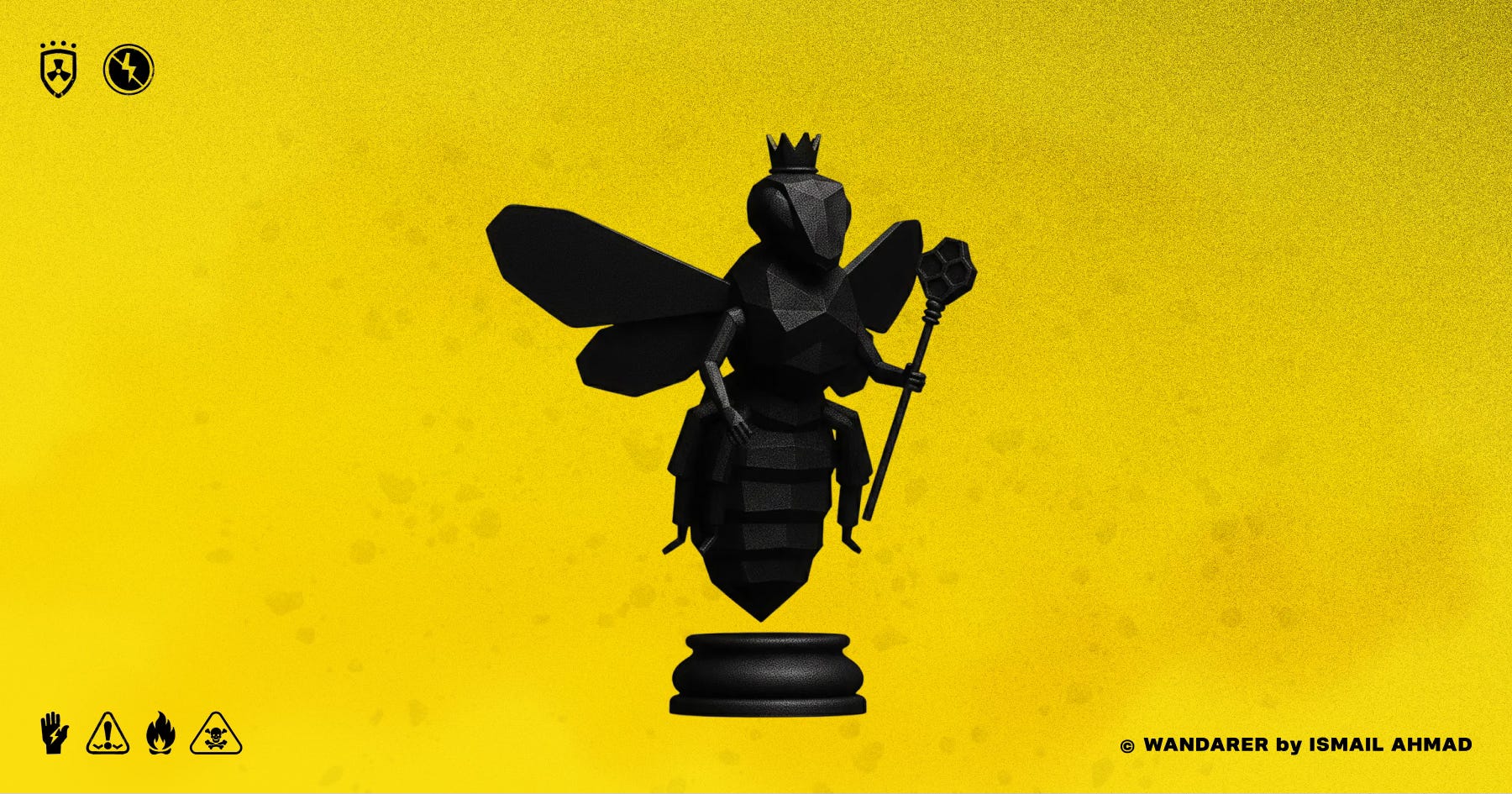
Pollinating.
While we think of bees as pollinators, they’re basically just trying to collect food for their offspring—they seek the most pollen, nectar, or floral oils flowers possible. Basically, it’s just addition and subtraction from anther (male flowers) added to the stigma (female flowers), and they’re effective at it.
Best designers are like this. They pollinate, take from all over the places adding to where it is required. A designer’s primary directive is pollinating, substracting and transmuting a chaotic web of technical constraints and business requirements into a beautiful insight, an interface so intuitive it feels invisible. Regrettably, some designers tend to shallow-design when it comes to this, not including context, not pollinating and subtracting enough, adding friction in an attempt to avoid the hard work.
True design sense, that gut feeling for what users actually need versus what they say they need cannot be taught in a bootcamp. It is an inherent instinct that must be identified and harnessed by hiring individuals who already possess it. And the best designers who emulate this are bees like. They’re utilitarian, product thinker and tinkerer, they orchestrate, they’re functional even when the environment is constraining.
Be like a bee.