

The most reliable way to understand who someone is comes from believing what they say. Pay attention to people’s words, not just their actions, and in our era that includes what they choose to share on social media. So yes, judge people by what they share. But judge carefully.
Disclaimer. Hold judgement in tension with grace
Be accommodating of people having the wrong thoughts. You hold wrong thoughts too, and others extend you grace for them. Beyond fairness, there’s a practical reason: you don’t want to spend your life surrounded only by people who think correctly and tell you exactly what you want to hear. That’s boring, an echo chamber with better lighting. Bland, with nothing to learn.
Let people be mad in your presence. Let them be curious, let them say things you disagree with, things they couldn’t say anywhere else. Sometimes an avenue for expression is what keeps a person from sliding toward depression or hardening into dogma. Psychologists call this externalization: a suppressed thought doesn’t disappear, it simply has nowhere to go, and then it resurfaces in ways you can’t predict. Social media, messy as it is, often serves as that release valve, imperfect but real.
There’s a further benefit to letting people be themselves around you. Differing opinions and worldviews reveal the contours of your own. You don’t know what you actually believe until you brush up against someone who believes the opposite. It’s also simply interesting to watch people hold forth on what they don’t understand, or share something they genuinely care about that you don’t. It’s a better test of your own thinking, and better company.
So judge, yes, when something is dark and won’t benefit the other person. But be reluctant about it. Give grace.
On the apparent contradiction here—
You said be accommodating and judge at the same time. Isn’t that contradictory?
Yes, it is. This isn’t black and white. It’s grey.
We all have wrong thoughts, things we’ve imagined that violate our own moral code, dark notions born of annoyance or minor discomfort. Someone stands near the edge of a platform, and your mind wanders to what it would be like if they fell.
That’s called intrusive cognition. Psychologists have studied it: the involuntary generation of disturbing thoughts occurs in the vast majority of people, including those with no harmful intent whatsoever. The mind is a simulation engine. It runs scenarios you never asked for. That doesn’t make you a bad person. It’s just the mind wandering. Don’t punish yourself for it.
Where caution genuinely matters is the moment you wish the bad thought on someone, or say it aloud, for instance by broadcasting it on social media. When you share something publicly, your words carry conviction whether you intend them to or not. And when you do share it, others have every right to judge you, if only to save you from yourself.
The takeaway
Believe that what people share is about them. That’s the whole point.
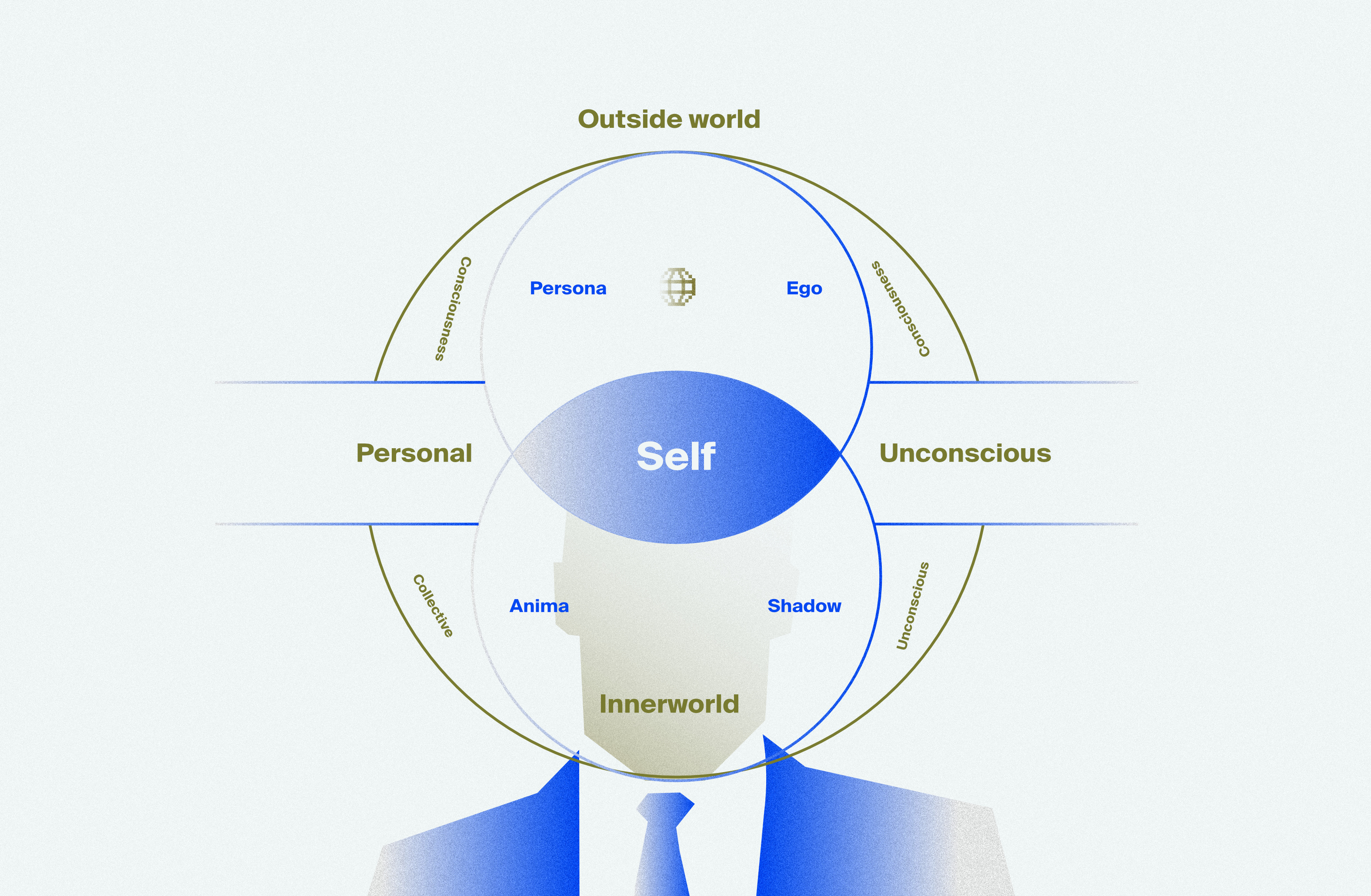
What someone posts is not detached from who they are. It is them, or at least a fraction of them that leaked out: the inner thoughts, the humour, the beliefs, the things they care about. It all shows up in what people choose to share. You can’t fully control it. A piece of who you are (a shadow self) always slips through.
People will say, “That’s not me, I was just venting.” But venting is also you. What you reach for when you’re angry, what you find funny at midnight, what you amplify without thinking, that’s character. It shows up in small things, repeatedly, over time.
And here’s the other side of it, be careful what you share. You can think a thing and say it within a close circle, where people know you, can supply context, and forgive you. That’s what close circles are for. But the moment you say something publicly, you’ve made a declaration. You’re telling the world, this is what I believe right now. You can’t unsay it. Your views can change, you can learn, you can grow, but what you shared was who you were in that moment, and people are allowed to hold you to it. Old posts resurface and follow people for years.
Social media is the most honest window into people you’ll ever get. Most people aren’t performing. They’re not merely talking; they’re sharing what bothers them, what makes them tick. We’re past the stage of concealing character. People aren’t hiding. Pay attention, and you’ll know who someone is long before they ever formally introduce themselves.
Believe what you see. Reluctantly, carefully, with grace, but believe it.